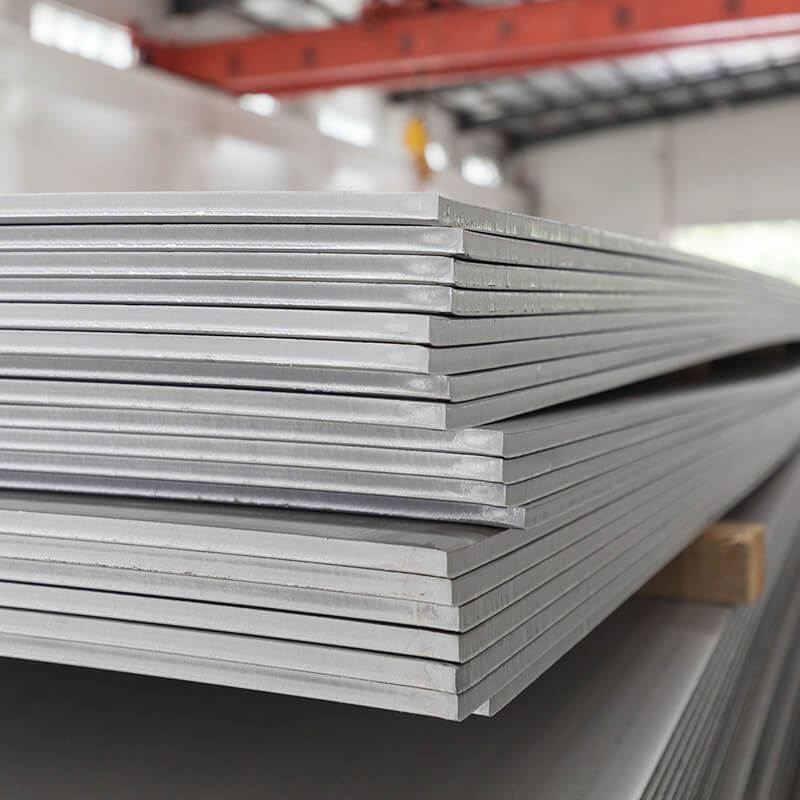
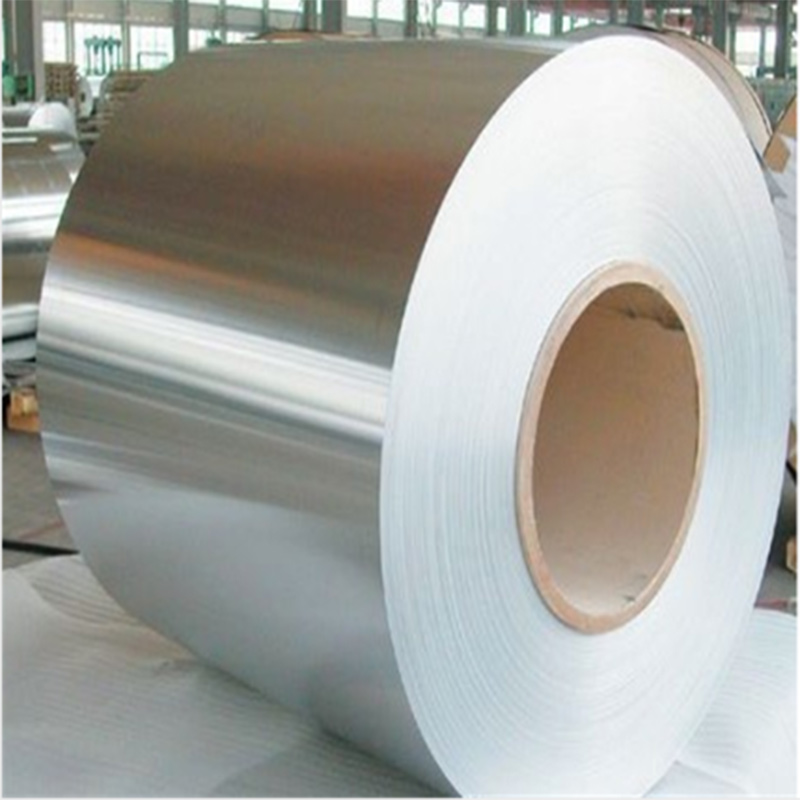
**China’s 304 and 316L Stainless Steel Markets Show Robust Growth Amid Rising Industrial Demand**China’s stainless steel sector continues to demonstrate remarkable resilience and expansion, with 304 and 316L stainless steel grades leading the charge in meeting growing domestic and international industrial requirements. These two stainless steel variants, known for their exceptional corrosion resistance and versatile applications, have become indispensable materials across numerous sectors, including manufacturing, construction, healthcare, and food processing.**304 Stainless Steel: The Industry Workhorse**304 stainless steel remains the most widely used stainless steel grade in China, prized for its excellent corrosion resistance, formability, and weldability. Primarily composed of chromium (around 18-20%) and nickel (8-10.5%), 304 stainless steel offers a robust balance of strength and durability, making it ideal for a broad spectrum of applications.Industries ranging from kitchenware manufacturers to automotive parts producers extensively utilize 304 stainless steel due to its reliable performance under varying environmental conditions. Its adaptability in fabrication processes also adds to its popularity, especially when customized designs and high precision are required.China’s booming infrastructure development and expansion of consumer goods manufacturing have significantly increased the demand for 304 stainless steel. In particular, the rise of smart manufacturing and automation has stimulated production scalability and quality improvements, enabling suppliers to meet increasingly stringent standards both domestically and abroad.**316L Stainless Steel: Superior Corrosion Resistance for Specialized Needs**While 304 stainless steel serves as a versatile workhorse, 316L stainless steel is renowned for its enhanced corrosion resistance properties, particularly against chlorides and other industrial solvents. The addition of molybdenum (2-3%) in its composition equips 316L stainless steel with higher resistance to pitting and crevice corrosion, making it the preferred choice for applications involving aggressive environments.This low-carbon variant of 316 steel ensures minimal carbide precipitation during welding, preserving its corrosion resistance and making it suitable for critical sectors such as pharmaceuticals, biotechnology, marine engineering, and chemical processing equipment.China’s pharmaceutical and healthcare industries continue to drive demand for 316L stainless steel, owing to the material’s hygienic surface properties and durability. Moreover, the expanding marine and petrochemical sectors seek 316L stainless steel for components exposed to seawater and harsh chemicals, reinforcing its market prominence.**Market Trends and Supply Chain Dynamics**In recent years, China’s stainless steel manufacturers have adopted advanced metallurgical techniques and automation, enhancing the quality and consistency of 304 and 316L stainless steel products. Increased investment in research and development fosters innovation in alloy compositions and processing methods, allowing Chinese producers to meet international standards and certifications more effectively.However, fluctuating global raw material prices and trade policies have introduced some uncertainty into the market. Despite these challenges, China’s stainless steel industry remains competitive due to its robust supply chain infrastructure and large-scale production capabilities.The domestic consumption of stainless steel continues to surge as urbanization and industrialization accelerate. Government initiatives aimed at infrastructure development, renewable energy projects, and environmental protection are expected to catalyze further demand for stainless steel products, particularly of premium grades like 316L.**Company Overview: Driving Excellence in Stainless Steel Production**Founded with a commitment to quality and innovation, a leading stainless steel manufacturer in China has established itself at the forefront of the industry. Leveraging state-of-the-art production facilities and a highly skilled workforce, the company specializes in providing high-grade 304 and 316L stainless steel products adapted to a wide range of applications.The company’s product portfolio includes stainless steel sheets, coils, bars, and pipes that comply with international standards such as ASTM, ISO, and JIS. Its stringent quality control procedures and advanced testing capabilities ensure that each batch meets the highest benchmarks for mechanical properties and corrosion resistance.Customer-centric in its approach, the company collaborates closely with clients to deliver customized solutions tailored to specific project requirements. By investing in ongoing research and development, the company continually enhances alloy formulations and production techniques to improve performance, reduce costs, and broaden the use cases of stainless steel products.Moreover, the company emphasizes sustainable manufacturing practices, incorporating energy-efficient technologies and waste reduction measures to minimize environmental impact. Its commitment to corporate social responsibility reinforces its reputation as a reliable and trustworthy partner in the stainless steel market.**Future Outlook**The outlook for China’s 304 and 316L stainless steel markets remains positive, driven by expanding applications and increasing industrial sophistication. With continuous innovation and adherence to quality, Chinese manufacturers are well-positioned to capture emerging opportunities in domestic and global markets.As industrial sectors diversify and adopt more stringent material standards, the demand for premium stainless steel products like 316L will likely witness accelerated growth. Additionally, technological advancements in metallurgy and production efficiency promise to enhance the competitiveness of Chinese stainless steel producers on the world stage.In summary, the dynamic growth of 304 and 316L stainless steel markets in China reflects the country’s industrial evolution and its strategic focus on innovation and quality. Stakeholders across industries can anticipate sustained supply, superior product performance, and collaborative partnerships that drive mutual success in years to come.
Read More